
A solar inverter is an essential part of a solar panel system. It converts the electricity generated by solar panels into power that can be used in your home or business.
But not all solar inverters work in the same way. From traditional string inverters to hybrid systems that work with battery storage, understanding the differences can help you choose the right setup for your property.
In this guide, we explain how solar inverters work, the different types available and the inverter solutions installed by M J Wallace.
What Does a Solar Inverter Do?
Solar panels generate direct current (DC) electricity from daylight. However, most household appliances and electrical systems in the UK use alternating current (AC) electricity.
A solar PV inverter converts DC electricity into AC electricity, allowing the power generated by your solar panels to be used throughout your property.
Modern solar inverters can also provide additional features, including:
- Energy monitoring: Track how much electricity your solar panels generate.
- System performance: Monitor your solar PV system and identify potential faults.
- Battery compatibility: Certain inverters can manage electricity stored in compatible battery systems.
- Grid connection: Help ensure your solar PV system operates safely alongside the electricity grid.
Without suitable inverter technology, a conventional grid-connected solar panel system wouldn’t be able to supply electricity directly to your property’s AC electrical circuits.
How Does a Solar Inverter Work?
The process of converting solar energy into usable electricity involves four main stages.
- Solar panels generate electricity. Solar panels absorb daylight and generate DC electricity.
- The inverter converts the electricity. The solar inverter converts DC electricity into AC electricity.
- Your property uses the power. The converted electricity can power appliances, lighting and other electrical equipment.
- Surplus electricity is managed. Depending on your system, unused electricity can be exported to the grid or stored in a compatible battery for later use.
This process happens automatically, allowing your solar PV system to generate usable electricity whenever sufficient daylight is available.
What Are the Different Types of Solar Inverters?
There are several types of solar panel inverters available, each designed for different installation requirements.
String Inverters
String inverters are commonly used in residential and commercial solar PV installations.
Multiple solar panels are connected together in a string, with the generated electricity sent to a central inverter for conversion into AC electricity.
They are a practical choice for many solar-only installations, particularly where the panels have similar orientations and minimal shading.
Hybrid Solar Inverters
A hybrid inverter combines solar electricity conversion with the ability to manage compatible battery storage.
This allows surplus electricity generated during the day to be stored for use later, such as during the evening when solar generation is lower.
Hybrid solar inverters are particularly useful for homeowners who want to install solar panels and battery storage together or are considering adding battery storage in the future.
Battery Inverters
Battery inverters manage the conversion of electricity when charging and discharging battery storage systems.
For example, an AC-coupled battery system can work alongside an existing solar inverter, making it possible to add battery storage without necessarily replacing the original equipment.
This can be particularly useful when retrofitting battery storage to an existing solar panel installation.
Do Solar Batteries Have Built-In Inverters?
Some modern battery storage systems incorporate inverter technology within the overall system, meaning a separate standalone solar inverter isn’t always necessary.
However, the arrangement depends on the manufacturer and specific product.
Tesla Powerwall 3
The Tesla Powerwall 3 combines battery storage with an integrated solar inverter, allowing solar generation and battery storage to operate within one system.
It also offers energy monitoring through the Tesla app, helping homeowners understand their electricity generation, storage and consumption.
Sigenergy SigenStor
The Sigenergy SigenStor system uses a modular design that combines battery storage with a compatible Energy Controller.
The Energy Controller incorporates hybrid inverter technology, allowing solar generation, battery storage and energy management to work together.
Unlike the Tesla Powerwall 3, the inverter technology is housed within the Energy Controller rather than the individual battery modules.
Both systems offer integrated energy management solutions, although their configurations and installation requirements differ.
Which Solar Inverters Does M J Wallace Install?
At M J Wallace, we supply and install a range of solar inverter solutions for residential and commercial properties.
Our product range includes:
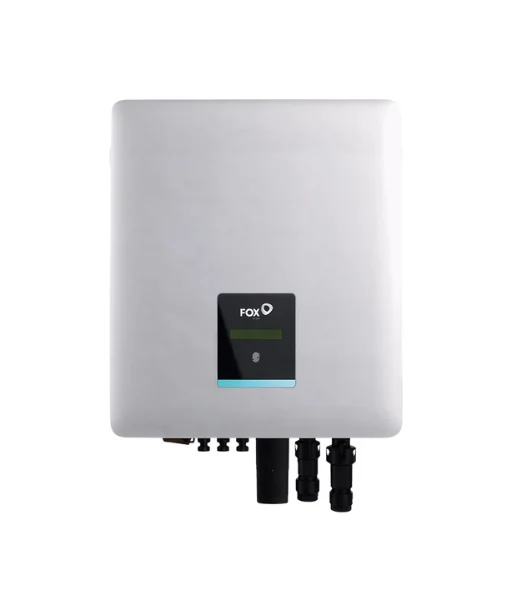
Fox ESS Inverters
Fox ESS offers string and hybrid inverter technology, with selected models supporting compatible battery storage systems.
These solutions provide energy monitoring capabilities and options for different solar PV installation requirements.
Sigenergy Inverters
Sigenergy offers intelligent hybrid inverter technology through its SigenStor energy storage system.
The modular design allows compatible battery storage and solar generation to be managed together, making it suitable for a range of residential energy requirements.
Fogstar Inverters
Fogstar hybrid inverter solutions can work alongside compatible battery storage systems, allowing solar electricity to be stored and used when needed.
They can be considered for properties looking to combine solar generation with battery storage.
Tesla Powerwall 3
Tesla Powerwall 3 combines a solar inverter and battery storage within one unit, offering integrated energy management and app-based monitoring.
This can provide a streamlined option for suitable solar PV and battery storage installations.
You can explore our full solar inverter product range to learn more about the systems available.
How Efficient Are Solar Inverters?
Solar inverter efficiency refers to how effectively an inverter converts DC electricity into usable AC electricity.
A small amount of energy is lost during the conversion process, but modern solar inverters are designed to minimise these losses.
Efficiency varies between manufacturers, models and operating conditions, so it’s important to compare the specifications of individual products rather than assuming all inverters perform identically.
Choosing an appropriately sized inverter is also important for ensuring your solar PV system operates effectively.
How Long Does a Solar Inverter Last?
The lifespan of a solar inverter depends on its manufacturer, model, operating conditions and maintenance.
Solar panels are generally designed to operate for longer than many inverter systems, meaning an inverter may need replacing during the lifetime of a solar PV installation.
Regularly monitoring your system’s performance can help identify potential issues.
If your existing inverter is ageing or no longer operating correctly, an installer can assess whether repair or replacement is the most suitable option.
How Do You Choose the Right Solar Inverter?
The right solar inverter depends on your property, electricity requirements and the type of solar PV system you’re installing.
Important considerations include:
- Solar system size: The inverter must be appropriately sized for your solar panel installation.
- Battery storage: If you want to store surplus electricity, a compatible hybrid inverter or battery system may be suitable.
- Energy monitoring: Many modern inverters provide apps or online platforms to monitor generation and performance.
- Future requirements: Electric vehicles, heat pumps and other electrical upgrades may influence your overall system design.
- Installation conditions: Roof orientation, shading and electrical infrastructure can affect the most suitable inverter configuration.
Rather than choosing an inverter based on brand alone, it’s important to ensure the equipment is suitable for your property and works effectively with the other components of your solar PV system.
Solar Inverter Installation With M J Wallace
At M J Wallace, we design and install solar PV and battery storage systems for homes and businesses across Shropshire, Staffordshire, Wolverhampton and the surrounding areas.
As an MCS-certified installer and NICEIC Approved Contractor, we assess your property’s requirements before recommending suitable solar panels, inverters and battery storage solutions.
Whether you’re installing a new solar PV system, replacing an existing inverter or exploring battery storage, our team can help you understand your options.
Explore our solar PV and battery storage services or Get a Quote to discuss your requirements.
Frequently Asked Questions About Solar Inverters
Solar panels can generate DC electricity without an inverter. However, a conventional grid-connected solar PV system requires suitable inverter technology to convert this electricity into AC power for use in your home or business.
A standard solar inverter converts electricity generated by solar panels into usable AC electricity. A hybrid inverter also supports the management of compatible battery storage, allowing surplus solar electricity to be stored for later use.
Yes, in many cases. An AC-coupled battery system may work alongside your existing solar inverter, although compatibility and installation requirements need to be assessed.
A standard solar inverter relies on electricity generated by solar panels, so it won’t produce solar electricity at night. However, a compatible battery system may supply stored electricity after sunset.
Yes. Tesla Powerwall 3 includes an integrated solar inverter, allowing it to manage solar generation and battery storage within one system.